
The Unfiltered Truth About Hol Chan’s Map
If you’re coming to Belize for the first time, your head is probably spinning from all the “must-see” lists. But let’s cut the fluff. Most of the best snorkeling in Belize happens in one very specific, very crowded, and very spectacular place: Hol Chan Marine Reserve. It’s not just one big pool of water where you jump in and see everything at once. The reserve is carved into different zones, and if your guide is lazy, you’ll only see about 20% of what’s actually there. You want the top snorkeling spots hol chan has to offer, not just the ones that are easiest for the boat captain to pull into.
Honestly, some people leave Hol Chan a little disappointed because they spent the whole time dodging other people’s fins in the main channel. That’s a rookie mistake. To really see the marine life hol chan is famous for, you need to know which spots to prioritize and, more importantly, when to hit them. We’re talking about everything from 7-foot sharks to tiny, neon-colored sea slugs. Here’s the unfiltered breakdown of the five spots you actually need to care about. I’ve seen these places in every kind of weather, and I can tell you exactly what makes them tick and when they’re total garbage.
1. The Hol Chan Cut (Zone A)
This is the heart of the reserve. It’s a literal “cut” or break in the barrier reef. Because it’s a narrow opening, the tide forces massive amounts of nutrient-rich water through here twice a day. This makes it a buffet for big fish. When you’re snorkeling in the Cut, you aren’t just looking at pretty coral; you’re looking at predators and massive schools of silver fish that look like solid walls.
The depth here varies wildly. In the center of the channel, you’re looking down about 30 feet. Along the edges, the reef rises up to just a foot or two below the surface. This is where you’ll find the green moray eels. They look terrifying when they’re gaping their mouths at you from a dark hole, but they’re just breathing. Don’t go poking your GoPro into the crevices. They have a nasty bite and zero patience for tourists. You’ll also find huge schools of horse-eyed jacks here. They usually hang out in the deeper parts of the channel, swirling in a silver tornado. It’s one of the coolest things you’ll ever see, but the current can be a beast. If the tide is going out, you’ll feel like you’re on a treadmill. Most top-rated tours will have you drift with the current so you don’t burn out your legs in the first ten minutes. It’s exhausting if you try to fight it. Just don’t.
Weather and wind
2. Shark Ray Alley (Zone D)
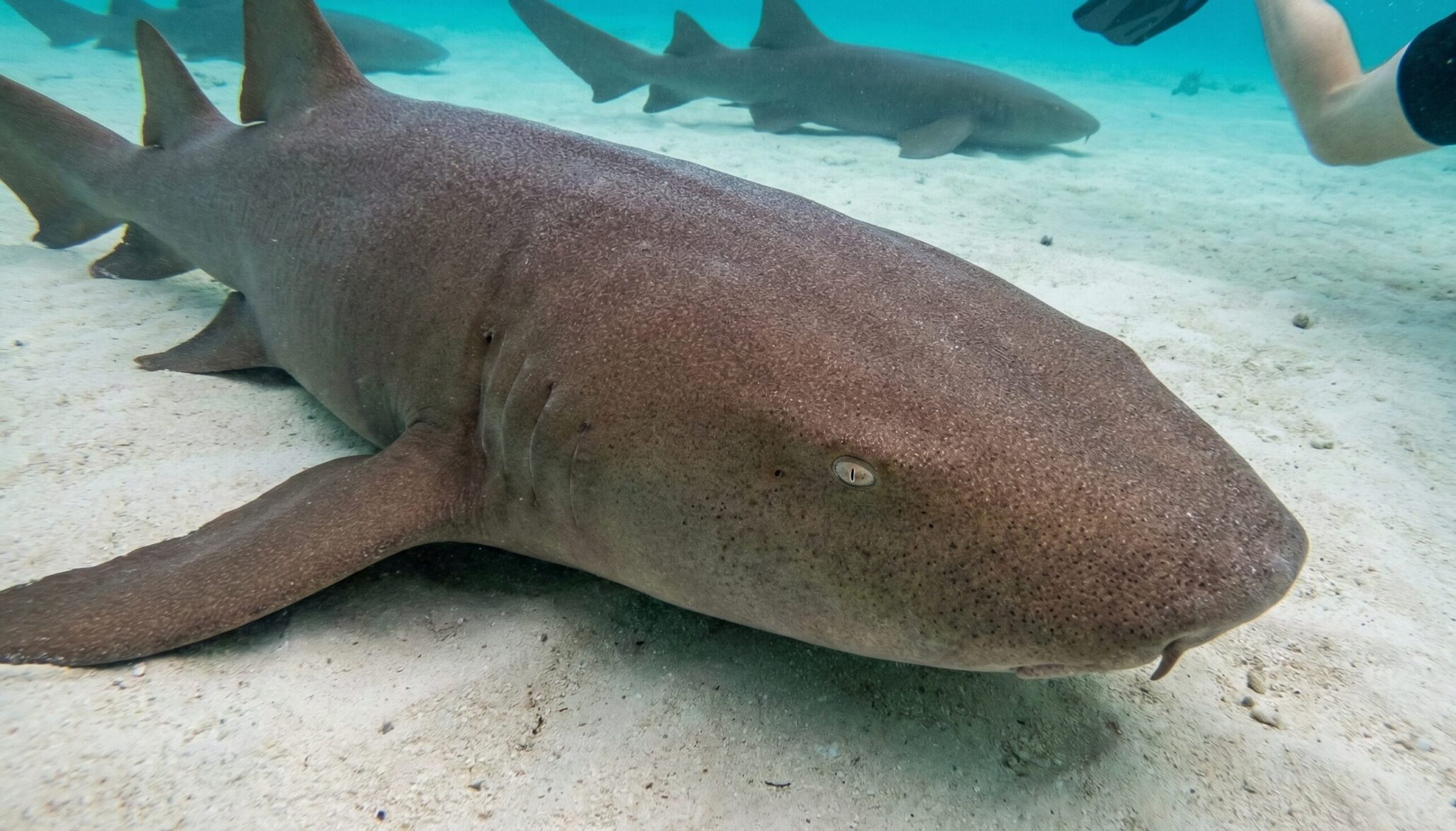
This is the one you’ve seen on Instagram. It’s the money shot. Hol chan shark ray alley is world-famous because it’s basically a guarantee that you’ll be surrounded by sharks. Years ago, fishermen cleaned their nets here, and the local nurse shark population realized that the sound of a boat engine meant free scraps. Fast forward to today, and these sharks are basically underwater golden retrievers. They show up as soon as they hear you coming.
The water here is shallow—usually between 5 and 8 feet—and the bottom is pure white sand. This makes the visibility insane. You’ll be swimming with dozens of nurse sharks and southern stingrays. The stingrays are actually the “bosses” of the alley; they’ll swim right under your belly, and their wings are surprisingly soft. A lot of people freak out when they first jump in because, well, it’s a lot of sharks. But nurse sharks are docile. They don’t have those jagged teeth you see in movies; they have crushing plates for eating shellfish. Just keep your hands to yourself. Their skin is like 40-grit sandpaper, and touching them can actually hurt their protective slime coat. It’s a sensory overload, and if you want to know what to bring to capture it properly, check our checklist for gear. Seriously, don’t forget the waterproof housing for your phone.
| Spot Name | Primary Zone | Average Depth | Difficulty | Key Species |
|---|---|---|---|---|
| The Cut | Zone A | 10 – 30 ft | Moderate | Moray Eels, Jacks, Groupers |
| Shark Ray Alley | Zone D | 5 – 8 ft | Easy | Nurse Sharks, Stingrays |
| Turtle Seagrass | Zone B | 5 – 12 ft | Easy | Green Sea Turtles, Manatees |
| Mangrove Nursery | Zone C | 3 – 6 ft | Easy | Seahorses, Juvenile Snappers |
| Coral Gardens | Bordeline / Caye Caulker | 8 – 15 ft | Easy | Fan Corals, Parrotfish |
3. The Seagrass Beds (Zone B)
Most tourists skip the seagrass because it doesn’t look as “pretty” as the coral. That is a massive mistake. If you want to see sea turtles, this is where you go. The green sea turtles live here because they eat the grass. They’re usually pretty chill and will let you float a few feet above them while they munch away. I’ve spent forty minutes just watching a single turtle without another human in sight because everyone else was too busy fighting over a shark photo in Zone D. It’s peaceful. Quiet.
This is also the best spot to find manatees. These “sea cows” are shy. They don’t like the noise of the big catamaran boats, so they tend to hang out in the quieter, grassier parts of the reserve. Seeing a manatee is a game of luck, honestly. You have to be quiet and move slowly. If you splash like a maniac, they’ll disappear into the murky water before you even see their tail. If you really want a shot at seeing these elusive guys, consider booking a private snorkeling tour so your captain can take the time to actually hunt for them instead of just rushing to the next stop. I once saw a mother and calf here and it was better than any shark encounter I’ve ever had.
4. The Mangrove Nurseries (Zone C)
This spot is for the real nerds. It’s not about the big, flashy stuff. The mangroves are the nursery of the reef. The tangled roots provide a safe place for juvenile fish to grow up before they’re big enough to survive the predators in the Cut. The water here is often a bit murkier because of the tannins from the trees, but if you look closely at the roots, you’ll find incredible things.
This is where you find seahorses. They’re tiny, camouflaged, and incredibly hard to spot if you don’t have a guide who knows what they’re doing. You’ll also see tiny barracudas that look like silver needles and colorful tunicates growing right on the roots. It’s a very different vibe from the rest of the park. It feels more like an underwater forest. It’s quiet, still, and a little bit eerie. If the wind is high and the reef is too choppy, the mangroves are usually calm and protected, making it a great backup spot. Just watch out for the occasional Upside-down Jellyfish on the bottom—they won’t kill you, but they’ll give you a nasty itch if you kick up the silt. Honestly, most people ignore this zone, which means you’ll probably have it all to yourself.
5. The Coral Gardens
While technically just outside the main channel area or sometimes visited as a “bonus” stop, the Coral Gardens are vital for seeing the marine life hol chan is protecting. It’s exactly what it sounds like: a vast field of brain coral, elkhorn coral, and waving sea fans. This is the place for the “classic” snorkeling experience. It’s shallow, sun-drenched, and packed with colorful reef fish like parrotfish, blue tangs (the “Dory” fish), and sergeant majors.
The experience in the Gardens is more about the small, beautiful details. I love this spot for just floating and watching the parrotfish crunch on the coral—you can actually hear it underwater! It’s a rhythmic, clicking sound that’s strangely relaxing. If you’re lucky, you might spot a spotted eagle ray gliding through here. They look like underwater birds and are much more graceful than the stingrays at Shark Ray Alley. They don’t want anything to do with people, so they won’t come to the boat. You have to be calm and keep your distance to see them. Check our guide on what to expect for more on how to behave around these shy guys. If you chase them, they’re gone in two seconds.
| Marine Life | Common Location | What to Look For |
|---|---|---|
| Nurse Shark | Shark Ray Alley | Brown skin, two whiskers (barbels) by the mouth. |
| Spotted Eagle Ray | The Cut / Coral Gardens | Inky blue skin with bright white spots, very long tail. |
| Green Sea Turtle | Seagrass Beds | Smooth, rounded shell, munching on grass. |
| Green Moray Eel | The Cut | Massive green “snake” head peeking out of a hole. |
| Seahorse | Mangrove Nurseries | Tiny, curled tail hooked onto a mangrove root. |
| French Angelfish | Coral Gardens | Flat, black body with gold scales, very curious. |
Tips for Hitting the Top Spots
If you want to see all five of these, you have to be vocal with your guide. Most group tours are on a tight schedule. They’ll spend 45 minutes at the Cut, 20 minutes with the sharks, and then they’re heading back. That’s the “tourist special.” To see the mangroves or the deeper seagrass beds, you often need to go with a smaller operator or pay for a bit more time. Honestly, it’s worth the extra cash. Why fly all the way to Belize just to see half the park? You didn’t come this far to be rushed through the highlights.
Another thing: the top snorkeling spots hol chan can change based on the wind. If the “Northshore” wind is blowing, the Cut gets very rough and the visibility drops to zero. A good guide will pivot and take you to the leeward side of the reef or spend more time in the mangroves where the water is flat. If your guide says it’s too rough for the Cut, don’t argue with them. They aren’t being lazy; they’re trying to make sure you don’t spend the whole time puking or getting smashed against the coral. You can find more on the weather patterns in our best time to visit guide. I’ve seen some stubborn tourists insist on the Cut in a storm, and they were miserable. Don’t be that guy.
Also, don’t forget that Hol Chan is a regulated reserve. You can’t just jump in anywhere. You have to be with a licensed guide, and you have to have your park wristband. If you see people in the water without a guide, they’re breaking the law and probably damaging the reef. Stay with your group, listen to the briefing, and don’t be the person who stands on a brain coral that took 100 years to grow just to adjust their mask. It’s a living museum, not a playground. If you stand on the reef, you’re killing it. Period.
One final thought on marine life. It’s wild. There are no guarantees. I’ve had days at Hol Chan where I saw three manatees and four turtles in an hour, and other days where the sharks were the only thing in sight. That’s the nature of the ocean. But by knowing these five spots, you’re maximizing your chances. Go early if you can—the 8:00 AM boats always have a better time because the fish are active and the crowds are still at breakfast. For the full guide on how to survive the day, check our ultimate guide to Hol Chan. It covers everything from what to pack to the best time of year to visit. Get out there and get salty. The reef is waiting.
Hol Chan Digital Fish ID
John Keaton's Challenge: Don't just swim, actually LOOK. Can you find them all?
The Heavy Hitters

Nurse Shark
COMMON"They look like big, lazy puppies. Just don't touch their skin—it's literal sandpaper."

Spotted Eagle Ray
RARE"Absolute magic. If you see one cruising the deep channel, you've won the day."

Southern Stingray
COMMON"Velvet blankets of the sea. They'll brush your legs in the Alley. Don't panic."
Grumpy Neighbors

Green Moray Eel
MODERATE"Look in the crevices. They aren't snapping at you; they're just breathing. Mostly."

Great Barracuda
COMMON"Paranoid silver needles. They'll watch you from under the boat. Just keep your jewelry tucked in."

Spiny Lobster
MODERATE"Antennae sticking out of a hole? That's lunch... if we weren't in a protected park."
Reef Beauties

Blue Tang
COMMON"Dory. They move in big blue waves. Beautiful, but they have a scalpel on their tail."

Stoplight Parrotfish
COMMON"If you hear crunching underwater, it's these guys eating the reef and making sand."

French Angelfish
COMMON"Almost always in pairs. They mate for life. Romantic, for a fish."

Queen Triggerfish
RARE"Pound for pound the most colorful thing in the water. Weird eyes, though."

Sergeant Major
COMMON"Striped little beggars. They think every snorkeler is a snack dispenser."
The Legends

Manatee
LEGENDARY"Sea potatoes. They're shy, so if you splash like a maniac, they're gone."

Green Sea Turtle
MODERATE"Look in the grass. Watching them come up for air is the best 3 seconds of any tour."

Spotted Drum
RARE"Punk rockers of the reef. Tiny, but that dorsal fin is insane. Look under ledges."

Hawksbill Turtle
RARE"Pointy beak, beautiful shell. Much rarer than the Greens. Respect them."