
I’m going to be straight with you: Hol Chan isn’t some secret, untouched wilderness. If you’re looking for a private island experience where you’re the only soul on the reef, you’re about thirty years too late for that. It’s the most popular patch of water in Belize, and on a busy morning, it can feel like a watery parking lot. But here’s the thing—it doesn’t matter. Even with the flotilla of boats and the forest of orange life vests, the marine life density is just insane. You go because you want to see a six-foot shark pass three feet from your fins, and snorkeling hol chan is the only place that guarantees that every single time you jump in. It’s loud, it’s salty, it’s a bit of a circus, and it’s still the best thing you’ll do in the country.
The hol chan marine reserve snorkeling scene is essentially the gold standard for the Belize Barrier Reef. It’s been protected since the mid-80s, which is why the fish here are massive and remarkably unbothered by humans. In other parts of the world, a snapper sees a snorkeler and bolts; at Hol Chan, that same snapper will probably swim right up to your mask to see if you’re carrying a snack. This ultimate guide hol chan is here to help you navigate the zones, the crowds, and the currents without looking like a total rookie who’s never seen the ocean before.
Understanding the Layout: The Four Zones
Most tourists think Hol Chan is just one spot where the boat stops. It’s actually a massive reserve divided into four distinct zones, labeled A through D. Most “cattle boat” operators are lazy—they’ll take you to Zone A and Zone D, spend forty minutes, and call it a day. If you want the full experience, you need to know what each area offers and maybe nudge your captain to show you the parts everyone else skips.
- Zone A (The Cut): The literal “hole” in the reef. This is where the big stuff happens. Deep water, heavy currents, and massive schools of silver fish. It’s the heart of the reserve.
- Zone B (The Seagrass Beds): A vast, grassy area that looks boring from the surface but is actually the primary feeding ground for green sea turtles and the elusive West Indian Manatee.
- Zone C (The Mangroves): An underwater forest. It’s quiet, a bit murky, and acts as a nursery for juvenile fish. This is where you find the weird, small stuff like seahorses.
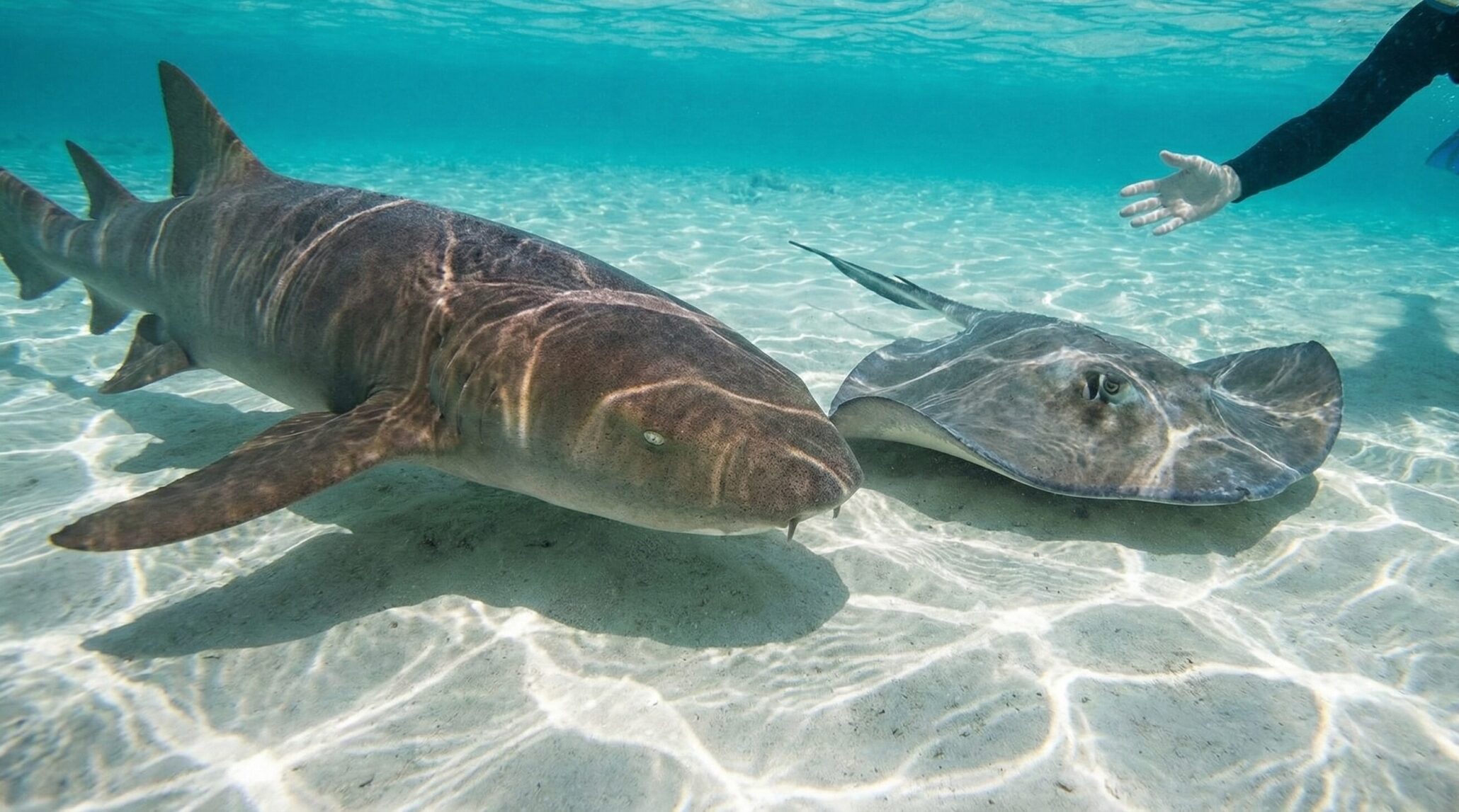
- Zone D (Shark Ray Alley): The famous one. Shallow sand flats where nurse sharks and stingrays congregate. It’s pure adrenaline and zero visibility issues.
Zone A: Surfing the Channel
This is where the real snorkeling hol chan happens. The “Cut” is a natural break in the reef, about 30 feet deep in the center, with the edges rising up to just a foot or two below the surface. This is not a swimming pool. The water here moves, and it moves fast. Depending on the tide, the current will be rushing either into the lagoon or out to sea. I’ve seen people get in, panic because they’re drifting away from the boat, and spend the whole time fighting the water instead of looking at the fish. Honestly, don’t fight it. A good guide will have you drop in up-current and just float. Let the water do the work. It’s like a slow-motion flight over a mountain range of coral.
You need to keep your eyes peeled for the “walls.” The coral here forms deep grooves and canyons. Look into the dark shadows—that’s where the green moray eels live. They look like they’re being aggressive when they open and close their mouths, but they’re just breathing, so don’t freak out. Just don’t stick your hand in a hole. They have a nasty bite and zero patience for tourists. You’ll also find huge schools of horse-eyed jacks here, swirling in silver tornadoes. It’s deep enough that you’ll want to be a decent swimmer, or just embrace the life jacket. For more details on the species you’ll encounter, check our guide on marine life in Hol Chan.
Weather and wind
What to Look for in the Channel
- Massive Groupers: They are the size of small dogs and just as curious. They’ll often swim right alongside you.
- Spotted Eagle Rays: Look up. Sometimes they glide just below the surface like underwater birds.
- Brain Coral: Some of these colonies are decades old and huge. Don’t touch them; they’re living animals, not rocks.
- The Current: Always check which way the water is moving before you jump. If you aren’t sure, ask your guide.
Zone D: The Chaos of Shark Ray Alley
This is the spot everyone puts on Instagram. Shark ray alley tour is a bit of a misnomer because it’s really just a shallow sand bar where fishermen used to clean their nets. The sharks and rays learned that boat engines mean a free meal. Today, they still show up as soon as they hear a motor. When you first look over the side of the boat, it’s a mess of fins and churning water. It looks a bit like a scene from an action movie. Jumping in for the first time takes a bit of nerve, especially when a seven-foot nurse shark glides right under your belly.
The water here is shallow—usually between 5 and 8 feet—and the bottom is pure white sand. This makes the visibility insane. You’ll be swimming with dozens of nurse sharks and southern stingrays. The stingrays are the real “bosses” here; they’re bold and will swim right over your fins. A few things to remember while you’re in the middle of the swarm:
- No Touching: Their skin is like 40-grit sandpaper. Touching them can damage their protective slime coat or get you a nasty “shark burn.”
- Watch Your Fins: It’s easy to accidentally kick a ray in the face when there are twenty of them around you. Move slowly.
- Don’t Feed Them: Most reputable guides don’t feed them anymore to encourage natural behavior. If yours is throwing sardines, tell them to stop. It makes the sharks aggressive.
- Stay Calm: They aren’t going to bite you unless you do something stupid, like try to ride them. Yes, I’ve seen people try. No, it didn’t end well.
The “Forgotten” Zones: B and C
If you want to escape the crowds, you have to hit the grass and the trees. Zone B (the seagrass) is where you find the green sea turtles. They spend all day munching on the grass and they are remarkably chill. You can float three feet above them and they won’t even look up. This is also where you’re most likely to see a manatee, though they are shy and don’t like the sound of big engines. If you really want to see them, consider a private hol chan snorkeling trip where your captain can take the time to actually hunt for them instead of rushing to the next stop.

Zone C (the mangroves) is for the real nerds. It’s not about the big, flashy stuff. It’s about the nursery. You’ll see tiny barracudas that look like silver needles and colorful tunicates growing right on the roots. This is where you find seahorses, but they are camouflaged and incredibly hard to spot. If your guide stays on the boat, you’ll never see them. You need someone in the water with you who knows which roots to look under. It’s a very different vibe—quiet, still, and a little bit eerie. If the reef is too choppy because of the wind, the mangroves are usually calm and protected.
Preparing for the Trip: A Realistic Checklist
Don’t just rely on the beat-up gear the tour operator gives you. Most of those masks have been through a thousand people and the silicone is stiff and leaky. If you can, bring your own mask and snorkel—it’s a hygiene thing and a comfort thing. You also need a rash guard. The sun in Belize is brutal, and traditional sunscreen is literally killing the reef. Just wear a shirt. It’s easier and more effective. For a full list of what you should actually have in your dry bag, look at our complete checklist.
Essential Gear to Pack
- Polarized Sunglasses: You can see the sharks and rays from the boat deck much better if you cut the glare.
- Towel and Dry Bag: Everything on the boat will get wet. Salt spray is everywhere.
- Anti-Fog Gel: Spit works, but a proper gel is better when you’re in the water for an hour.
- Waterproof Camera: Make sure it has a wrist strap. If you drop it in the Cut, it’s gone forever.
- Cash: For tipping your guide and paying the $10 park fee if it isn’t included in your tour price.
Timing and Logistics: Don’t Be Part of the Herd
Timing is everything. Most boats leave San Pedro or Caye Caulker at 9:00 AM. That means by 9:30 AM, there are roughly five hundred people in the water. It’s a mess of flailing limbs and shouting. If you can find an operator who does an “Early Bird” tour at 8:00 AM, take it. It’s a total game changer. You get the Cut to yourself for forty minutes before the armada arrives. The water is clearer, the fish are more relaxed, and you don’t have to worry about getting a snorkel in your eye from a random stranger. Check our weather and timing guide to see which months offer the best water clarity. April and May are usually the sweet spots for glass-calm water.
How do you get there? You can’t just swim. You need a licensed boat and a guide. It’s about 4 miles from San Pedro and much further from Caye Caulker. The ride from San Pedro is short—maybe 15 minutes. From Caye Caulker, you’re looking at 45 minutes of bouncing over the waves. If you get seasick, that commute can be a nightmare. I’ve seen people lose their lunch before we even reached the park rangers. For more details on the transit options, read how to get to Hol Chan. It covers everything from water taxis to golf cart rentals.
Beginner Mistakes to Avoid
If this is your first time putting on a mask, Hol Chan can be intimidating. The water is deep, the fish are big, and the currents are real. But you’ll be fine if you don’t do these things:
- Stopping to Stand Up: Even if it looks shallow, don’t stand up. You’ll either break a coral head that took 50 years to grow or step on a sea urchin. Neither is fun.
- Splashing Like a Maniac: You aren’t a shark; you’re a visitor. The more you splash, the more you scare away the cool stuff. Use slow, long kicks with your fins.
- Holding Your Breath: It sounds stupid, but people hold their breath when they get excited. If you see a shark and stop breathing, you’ll start to panic. Just keep a steady rhythm.
- Ignoring the Briefing: Your guide will tell you where the current is going and where the boat will meet you. Listen. It’s embarrassing to be the person the captain has to chase down in the boat because you drifted into the open ocean.
Final Verdict: Is it Worth It?
Yes. Absolutely. Even with the tourist trap feel and the crowds, snorkeling hol chan is one of the best marine experiences in the Western Hemisphere. The sheer volume of sharks and rays is something you won’t find anywhere else without a scuba tank and a lot more money. Just do your homework. Pick a reputable shop. Get there early. And for the love of everything, wear a rash guard. You’re going to want proof that you actually swam with twenty sharks and lived to tell the tale. It’s messy, it’s salty, and it’s the best thing you’ll do in Belize. If you’re still not sure which tour to pick, read our breakdown of how to choose the right tour for your style and budget.
The reef is waiting. It’s a living, breathing museum, and you’re just a guest. Treat it with respect, keep your hands to yourself, and try to take it all in. The first time a massive green moray eel looks you in the eye, you’ll realize that the boat ride and the crowds were worth it. Now get out there and get wet. Honestly, the sharks are probably already waiting for you.
Hol Chan Digital Fish ID
John Keaton's Challenge: Don't just swim, actually LOOK. Can you find them all?
The Heavy Hitters

Nurse Shark
COMMON"They look like big, lazy puppies. Just don't touch their skin—it's literal sandpaper."

Spotted Eagle Ray
RARE"Absolute magic. If you see one cruising the deep channel, you've won the day."

Southern Stingray
COMMON"Velvet blankets of the sea. They'll brush your legs in the Alley. Don't panic."
Grumpy Neighbors

Green Moray Eel
MODERATE"Look in the crevices. They aren't snapping at you; they're just breathing. Mostly."

Great Barracuda
COMMON"Paranoid silver needles. They'll watch you from under the boat. Just keep your jewelry tucked in."

Spiny Lobster
MODERATE"Antennae sticking out of a hole? That's lunch... if we weren't in a protected park."
Reef Beauties

Blue Tang
COMMON"Dory. They move in big blue waves. Beautiful, but they have a scalpel on their tail."

Stoplight Parrotfish
COMMON"If you hear crunching underwater, it's these guys eating the reef and making sand."

French Angelfish
COMMON"Almost always in pairs. They mate for life. Romantic, for a fish."

Queen Triggerfish
RARE"Pound for pound the most colorful thing in the water. Weird eyes, though."

Sergeant Major
COMMON"Striped little beggars. They think every snorkeler is a snack dispenser."
The Legends

Manatee
LEGENDARY"Sea potatoes. They're shy, so if you splash like a maniac, they're gone."

Green Sea Turtle
MODERATE"Look in the grass. Watching them come up for air is the best 3 seconds of any tour."

Spotted Drum
RARE"Punk rockers of the reef. Tiny, but that dorsal fin is insane. Look under ledges."

Hawksbill Turtle
RARE"Pointy beak, beautiful shell. Much rarer than the Greens. Respect them."